
Firearms enthusiasts are always on the lookout for accessories that can enhance shooting performance and control. One such accessory that has gained popularity in recent years is the micro compensator. These small devices claim to reduce muzzle rise and recoil, leading to improved accuracy and faster follow-up shots. In this article, we’ll dive into the topic of micro compensators, addressing their effectiveness, potential benefits, and important considerations.
Understanding Micro Compensators
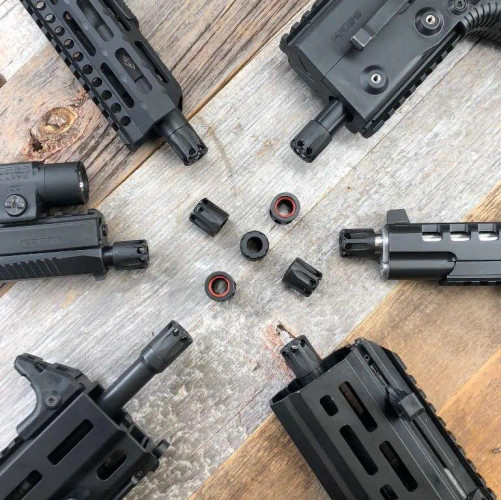
Micro compensators are designed to mitigate muzzle rise and recoil by redirecting the gases produced during firing. They attach to the muzzle of the firearm and feature ports or vents that allow gases to escape, exerting downward pressure and countering the upward force generated by the recoil. While larger compensators are often used on competition pistols, micro compensators are specifically designed for concealed carry and compact handguns.
The Effectiveness Debate
Reducing Muzzle Rise
The primary claim of micro compensators is their ability to reduce muzzle rise, allowing the shooter to maintain better control over the firearm during rapid fire. Muzzle rise can affect accuracy, especially in follow-up shots, so any accessory that promises to counteract it is of interest to shooters.
Managing Recoil
Micro compensators also purport to reduce felt recoil, making shooting more comfortable and potentially enabling quicker target reacquisition. This feature can be especially valuable for shooters who want to maintain accuracy and control during rapid-fire scenarios.
Testing and Real-World Performance
Varied Results
The effectiveness of micro compensators can vary widely depending on factors such as firearm design, ammunition used, and the shooter’s skill level. Some users report significant improvements in muzzle rise control and recoil reduction, while others may find minimal differences in their shooting experience.
Skill Enhancement
Micro compensators, while not a guaranteed solution, can aid shooters who invest time in training and practice. Skilled shooters who are familiar with their firearm’s behavior and the compensator’s effects may benefit more from using micro compensators than novice shooters.
Considerations Before Using a Micro Compensator
Firearm Modifications
Adding a micro compensator to your firearm is a modification that can affect its overall function and performance. It’s essential to ensure that the compensator is compatible with your handgun and doesn’t negatively impact its reliability.
Holster Compatibility
Micro compensators can alter the dimensions and shape of your handgun’s muzzle, potentially affecting holster fit. Ensure that the compensator-equipped firearm can still be safely and securely holstered.
Firearm Control
While micro compensators can aid in reducing muzzle rise and recoil, they don’t replace proper shooting technique and grip. Developing strong shooting fundamentals remains crucial for accurate and controlled shooting.
Legal Considerations
Always be aware of your local and federal firearm laws and regulations before adding any accessory to your firearm. Some jurisdictions may have restrictions on modifications or specific requirements for accessories.
Testing and Personal Preference
Try Before Committing
Before investing in a micro compensator, consider trying one out if possible. Borrow from a friend or rent a firearm with a compensator to experience its effects firsthand.
Personal Preference
Like many firearm accessories, the effectiveness of micro compensators can be subjective. What works for one shooter might not work as effectively for another. It’s essential to gauge whether the accessory aligns with your shooting style and preferences.
Exploring the Benefits Safely
While micro compensators offer the promise of improved muzzle rise control and recoil reduction, their effectiveness is influenced by various factors. Shooter skill, firearm design, ammunition choice, and personal preferences all play a role in determining the impact of these accessories. Before committing to a micro compensator, consider testing it out, seeking advice from experienced shooters, and ensuring compatibility with your firearm. Remember that while accessories can enhance shooting performance, proper training and practice remain the foundation of accurate and controlled shooting.